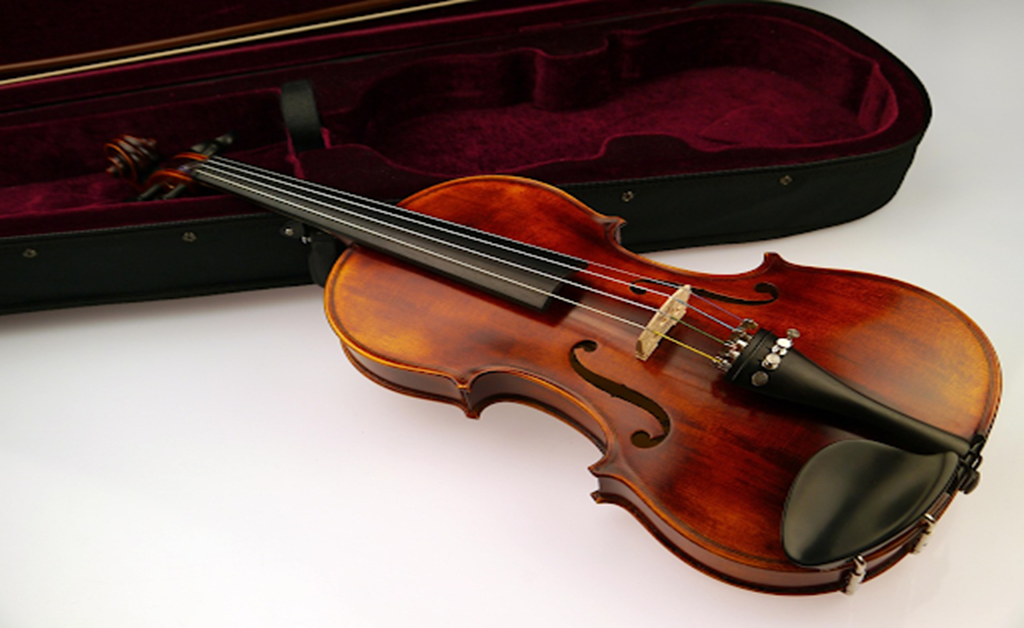
Have you ever dropped your guitar or keyboard and held your breath – your physical heartbeat pounding with your emotional one? Have you ever trudged from one venue to another, carrying your instrument with you all along the way?
Musicians, when touring around the stages locally or other parts of the country, have one more job to take care of, which is to haul their musical gear and ensure nothing goes wrong with a gear defect. Here, the perfect case not only saves your equipment but also keeps your investment lasts longer.
To sum it up, how does one do that? Let’s resolve it together!
1. Know Your Instrument’s Needs
All instruments have their individualities, and so do their cases. The case of a violin requires a different approach to support than a case for a drum kit or electric guitar. The case appropriate for an instrument should first be determined by its shape, size, and fragility. If you’re taking Pearland piano lessons and are a keyboard owner, then, for sure, you would need some hard-shell cases with good padding and moisture resistance. This is just simple: the cozier the fit, the safer the instrument.
2. Choose Between Hard and Soft Cases
Here is where most musicians get stuck. Hard cases do provide maximum protection; however, soft gig bags offer flexibility and ease of carrying. Which one should you choose?
- Hard cases are recommended if you travel a lot or check your gear on flights. They protect from impacts, humidity, and temperature changes.
- Soft cases (gig bags), for instance, are much lighter and easier to carry for local lessons or short trips.
All in all, a padded gig bag should work fine for everyday practice travel if you are only taking local lessons; a hard case is an option you would want to consider if you are a performing artist.
3. Pay Attention to the Interior
What is inside matters as much as what is outside. The interior lining and padding will tell how well your instrument is going to stay in place. Examine plush interiors, adjustable straps, and a pocket for secure storage of accessories such as tuners, sheet music, or pedals. You can do the gentle shake test to confirm: a good case will not allow your instrument to wobble at all.
4. Check the Build Quality and Hardware
Zips, locks, and handles seem to matter very little, but they do make a huge difference. A weak latch will cause an accident with potentially huge expenses. Look out for reinforced corners, water-repellent materials, and heavy-weight handles. To top it off, they have to be wheeled for easy transport!
5. Consider Your Travel and Storage Habits
Do you perform often? Travel long distances? Or mostly keep your instrument at home after Pearland lessons? Your lifestyle should dictate your choice. Touring musicians might prefer ATA-approved flight cases, while casual learners can opt for lightweight, padded options.
Conclusion
If you have to learn to give your instrument the same attention you would give to your music, learn to buy a case. A case should not just be aesthetic but also durable, protective, and accommodating. Be sure to pack things well for safe travel with the instrument before heading into the next Pearland piano lesson or jam session. Great music starts with great caring!